Planetes Manga
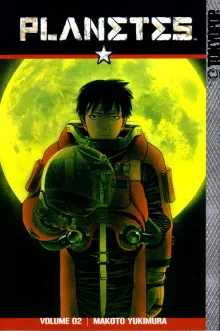
- Author
- Makoto Yukimura
- Published
- 1999–2004
- Volumes
- 4
- Type
- Seinen
- Magazine
- Weekly Morning
- Publisher
- Kodansha
- English
- Tokyopop, later Dark Horse
Panels © Makoto Yukimura / Kodansha, shown small for review
What is Planetes about?
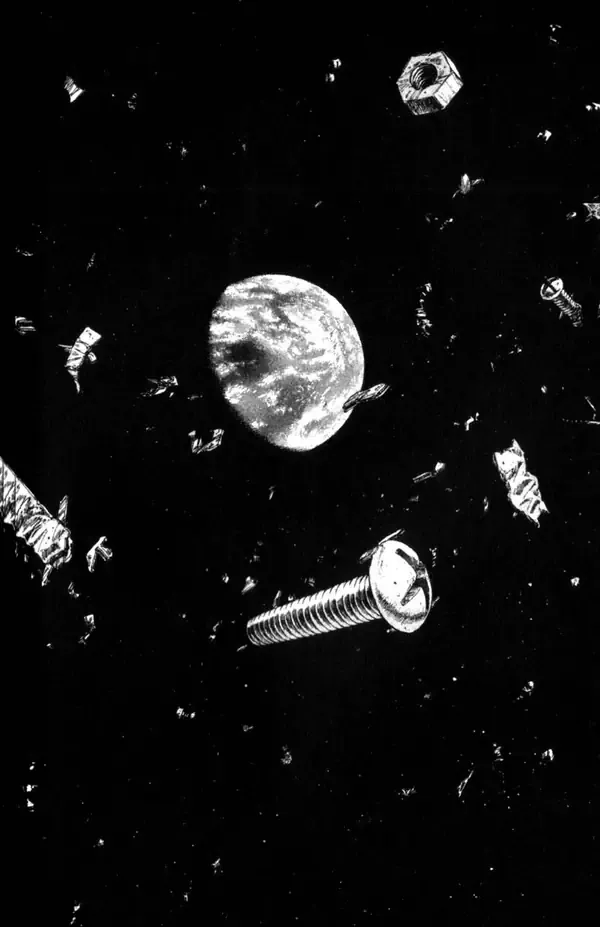
Planetes is a four-volume seinen manga by Makoto Yukimura, the author of the Viking epic Vinland Saga. Set in the 2070s, it follows the crew of the Toy Box, a ship of space debris collectors tasked with keeping Earth’s orbit clear of decades of accumulated junk. Each crew member carries their own loosely connected story, and through them Yukimura explores what it means to be human. Our capacity to love and connect deeply, and how it coexists with the ego, greed and tribalism that will ultimately lead to our demise.
Is Planetes worth reading?
Yes! If you like manga that’s deeply layered and explores big themes through an array of contrasting characters, Planetes is for you. It shares something with Cowboy Bebop, using space as a backdrop for quiet, contemplative stories about the people drifting through it. If you’d rather have something lighter, longer, with more room for characters to change, or more action-driven, there’s better manga out there. But at just four volumes, Planetes is a cult classic, and it earns the title.
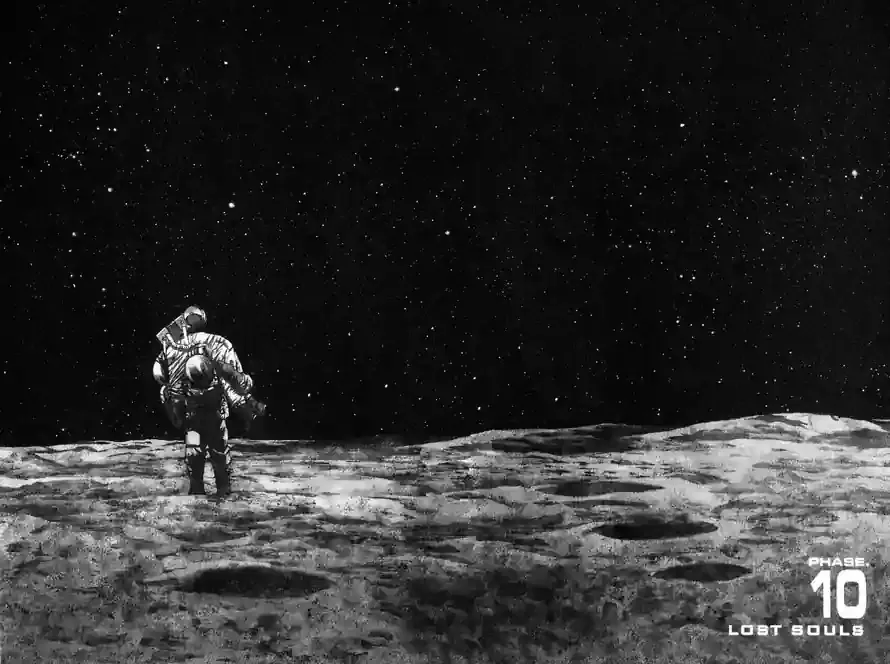
What’s good about Planetes
Planetes is a deeply layered manga, the kind that reads completely differently at different points in your life. Its themes are universal. Whether you’ve been on a deeply introspective mushroom trip or you’re a straight-laced corporate worker, you’ll find something here to relate to, because in the end we’re all human.
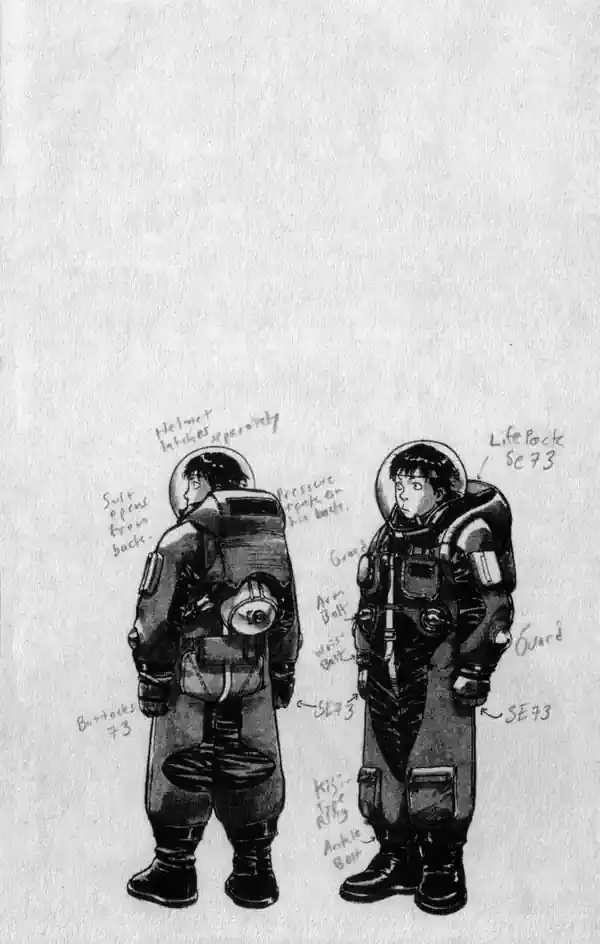
Then there’s the research. Makoto Yukimura is known for the dedication he pours into every project, and very few manga artists go to the lengths he does. The result is a creative, meticulously researched sci-fi setting that feels fantastic and believable at the same time.
And like Cowboy Bebop, it balances short but exciting action scenes with a slower progression into deeper themes as the story evolves. It explores big ideas without ever turning into a contemplative slog.
What’s bad about Planetes
The first time I read it, the ending felt rushed. It left me wishing we’d spent more time with the side characters who are left almost completely undeveloped, like Nono, the girl born on the Moon, or Hachimaki’s brother Kyutaro. They had great potential, but they end up as side notes, supporting the major themes rather than carrying their own. On a second read I came round to the idea of keeping it brief, although it still left me wanting more.
What I really didn’t like were the comic-relief sketches between chapters. They completely shatter the rhythm and tone of the story, and for me they just weren’t interesting.
Planetes anime vs manga
Honestly, I’ve only read the manga. The anime is a 26-episode series by Sunrise from 2003–2004, and from what I know it’s a fairly different take.
- A different lead: the anime makes Tanabe the main character and starts with her joining the debris crew. The manga is Hachimaki’s story.
- More characters and office life: the anime adds a whole cast of new co-workers and a lot more workplace comedy and drama.
- A different ending: the anime covers roughly the first three volumes, then goes its own way.- Tone: the manga is shorter, quieter and more philosophical.
From what I’ve seen, if you asked me a thousand times, I’d pick the manga every time. (Then again, nine times out of ten the source material beats the adaptation.)
Planetes characters and what they represent
Planetes carries its major themes through its characters and how they develop. Below, each character gets a short take, the theme they stand for, and the panels that show it best.
Hachimaki (Hachirota Hoshino)
Hachimaki gets the biggest arc in Planetes, and the story starts and ends with him. He begins as a stubborn, insecure young man, desperate to prove himself at his own expense more than anyone else’s, saving every penny for a spaceship of his own that he’ll never realistically afford.
For him, everything narrows down to first getting a ship of his own and then the Jupiter mission, which means years of loneliness. But his ambition isn’t innate, like Locksmith’s. He’s trying to be someone he’s not, and the act hides the pain, loneliness and regret he hoards to avoid being himself. Least of all will he share any of it with Tanabe, the new junior on the crew, his kōhai, who destabilises him from day one. She becomes the enemy because she threatens the dream he’s clinging to, and because she sees through the act. Deep down Hachimaki isn’t a rocket-obsessed loner like his brother, or a succeed-at-all-costs Locksmith. He’s a kind, laid-back guy, and he’s working hard to bury it.
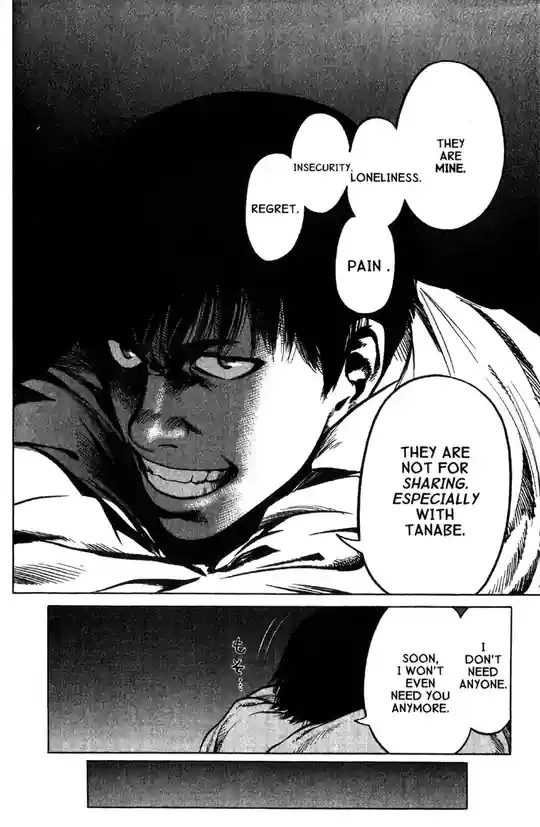
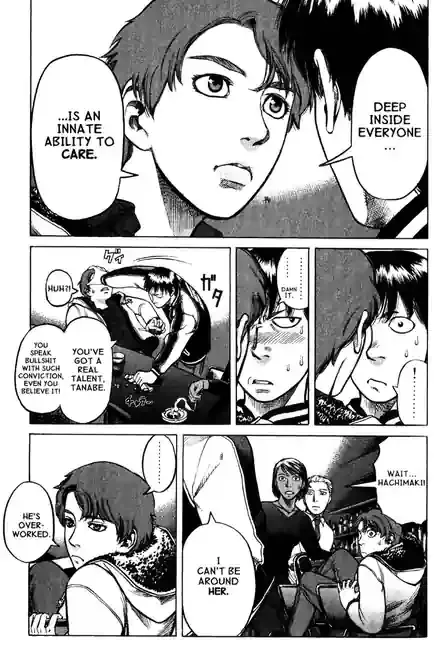
But Tanabe keeps chipping away at him. When she tells him that deep inside everyone is an innate ability to care, he can’t stand it. “I can’t be around her.”
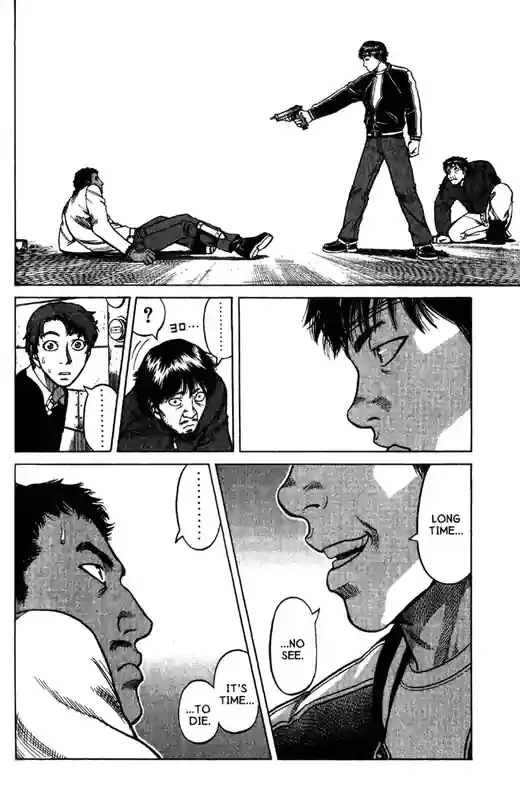
Then comes the moment that changes everything. After failing to stop the terrorists, and in front of his own father, Hachimaki has the gun on Hakim. He’s one step from crossing a line there’s no coming back from, because once you kill a man, you’re gone. Tanabe steps in at the last second and, to everyone’s surprise, kisses him, then finally breaks through his barrier with a hug. He has no idea what to do with it.
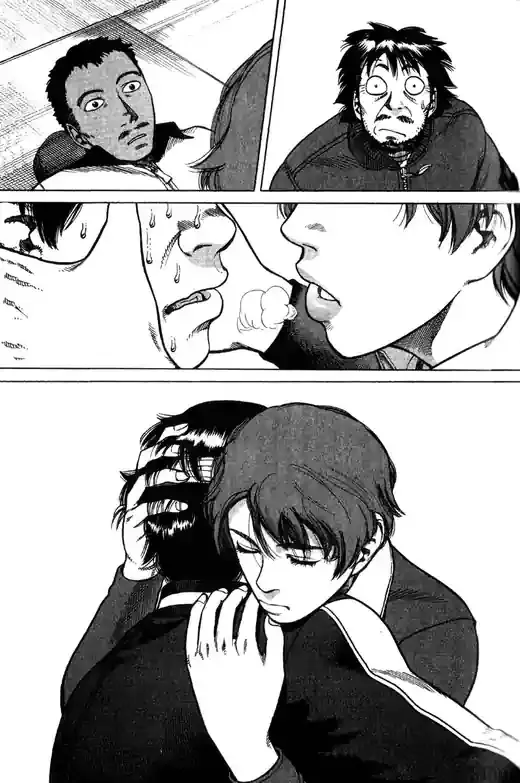
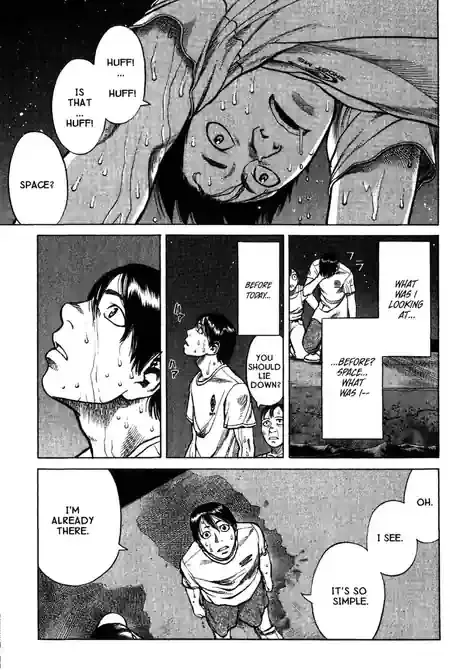
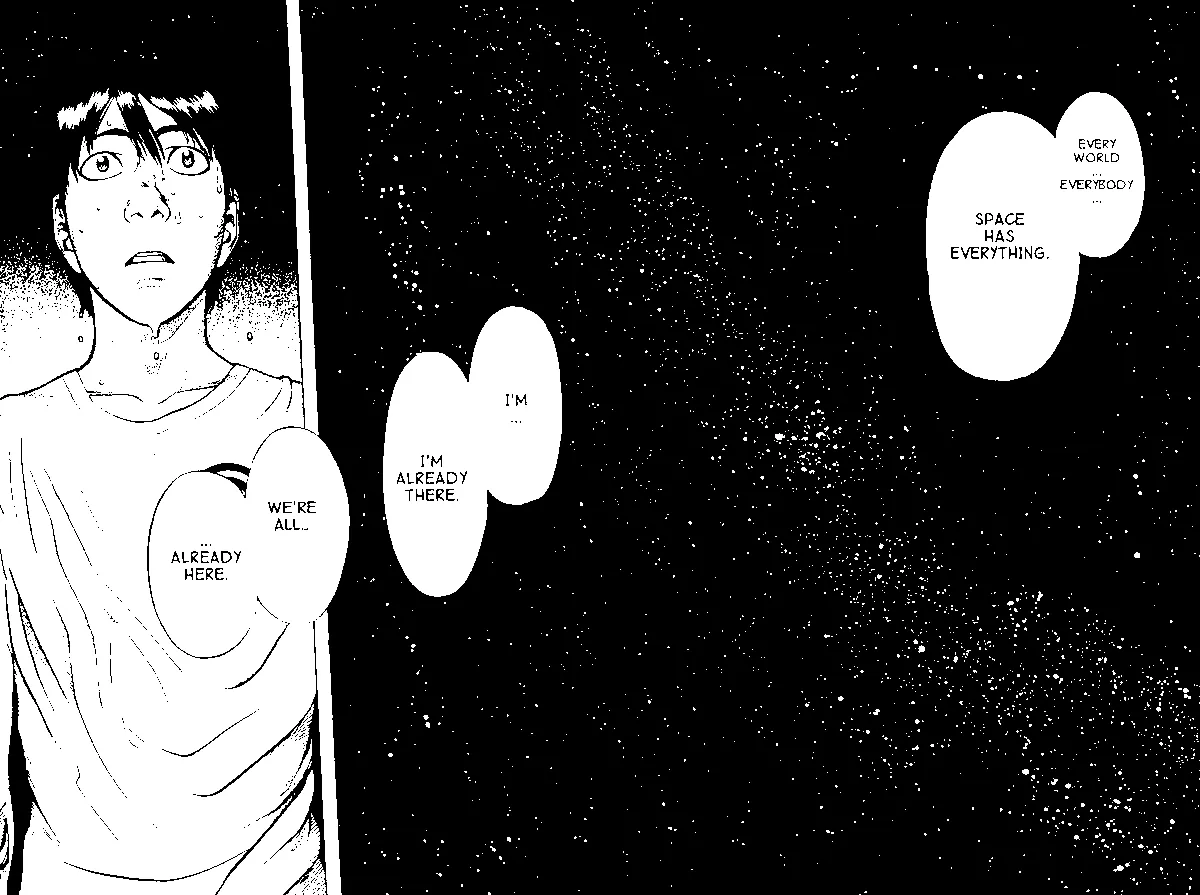
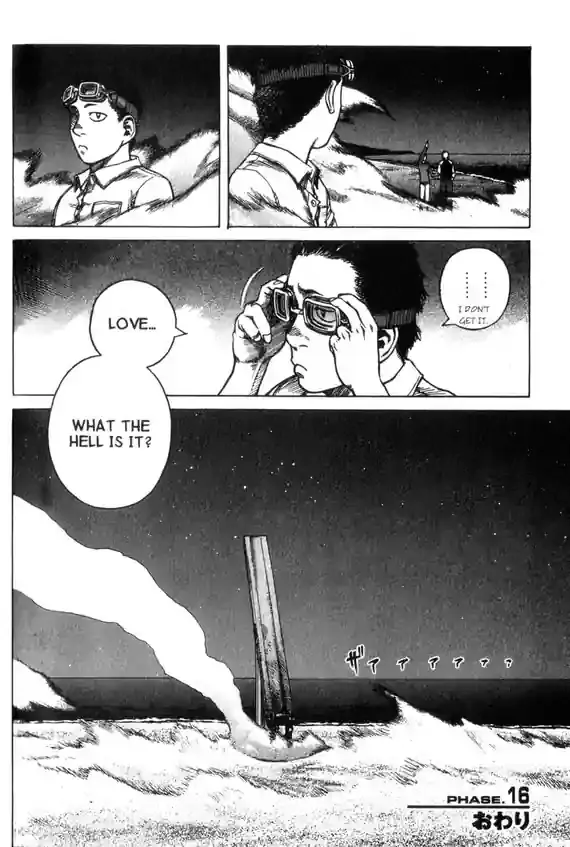
From there, things start to unravel. Hachimaki makes it onto the Jupiter mission, but after what happened with Tanabe he begins to crack. Feeling unwell, he goes back to Earth for a break. Riding his bike down a coastal road, he ends up flung into the ocean, and as he drifts towards unconsciousness he has a psychedelic moment of realisation where everything he’s been feeling comes together. His crew, his family, his father, they’re all part of the same space and the same story, and it’s all about them.
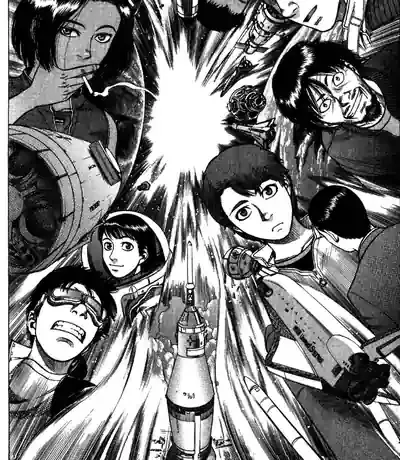
Then it lands. “Oh. I see. It’s so simple. I’m already there.” Space stops being somewhere to escape to. He isn’t going anywhere, because there’s nowhere to go. The journey was an illusion, and everything he wanted was already here. “Space has everything. We’re all already here.”
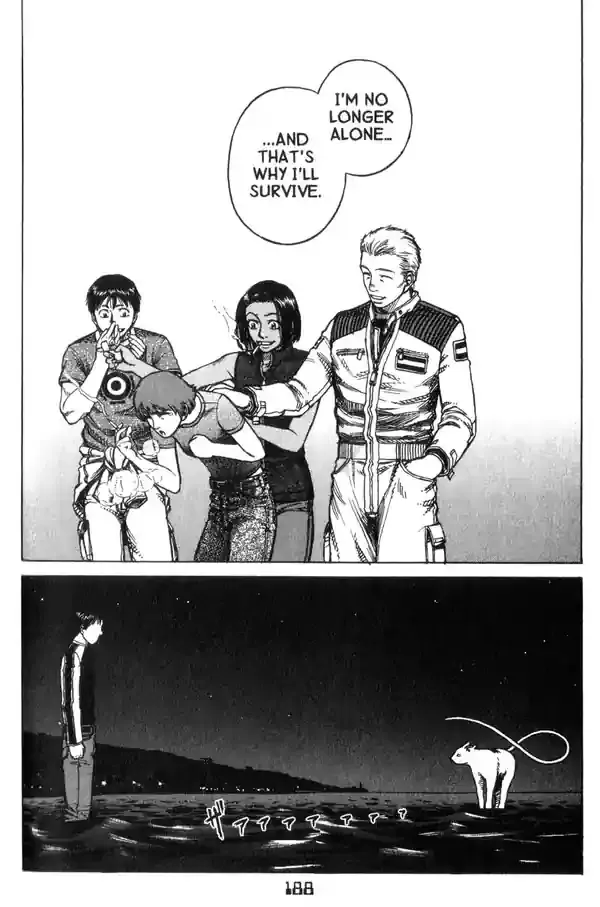
By the end, the man who didn’t need anyone survives precisely because he isn’t alone. He can still go to Jupiter and act on his desire, but he no longer has to shut people out to do it. Ambition, love and connection turn out to be part of the same thing, part of being human.
Ai Tanabe
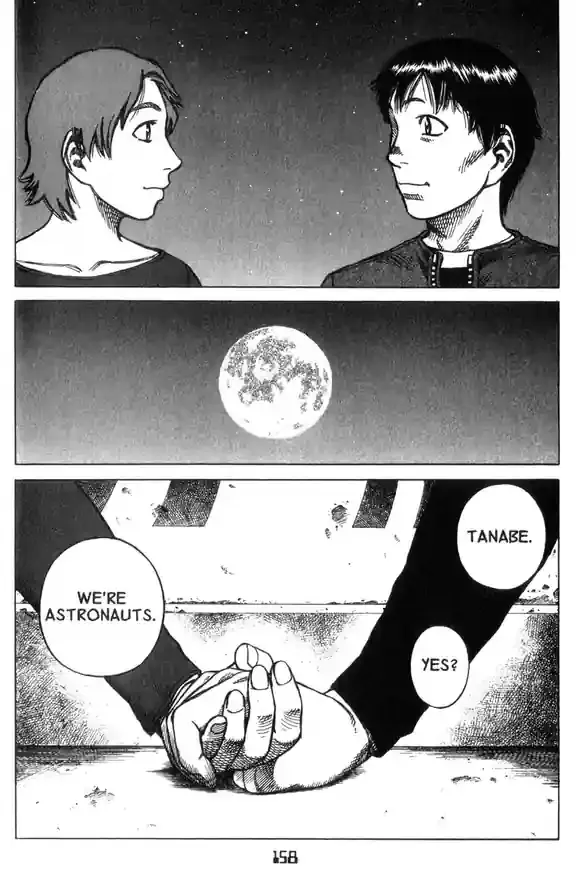
Ai Tanabe joins the crew a little after Hachimaki, but she’s the one who saves him, and in the end she saves almost everyone she touches. She stands for purity, love and connection. In ancient times I think she would have been a shaman, an old soul, wise from birth, with an instinctive grasp of the universal things the rest of us spend a lifetime learning and calling wisdom. She’s clumsy, carefree and, as a member of society, almost impossible to work with, because she won’t bend her principles to get anything done. Yet she transforms everyone around her.
She was adopted, and her adoptive parents (great characters themselves, her dad a windmill technician and ex death metal singer) worried about her at first because they didn’t understand her. What they saw was a child with a deep, wordless bond with animals and a deeply contemplative nature.
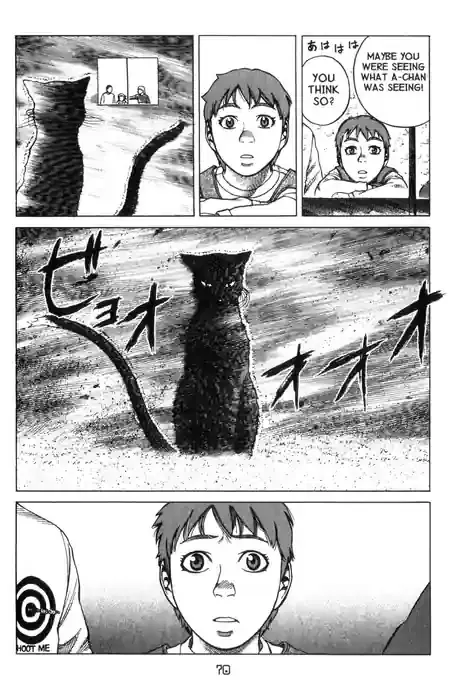
The Fadran episode is where she first shows how stubborn, rebellious and, frankly, annoying she can be (she really annoyed me in this scene at first), and how she puts her wisdom into practice anyway. The crew recover the mummified body of Mr Fadran, an explorer whose wish was to be left drifting in space forever. It’s none of her business, but she trusts her intuition so completely that she acts on it. For Tanabe it seems impossible that anyone truly wants to be alone, because deep down all humans want love and connection.
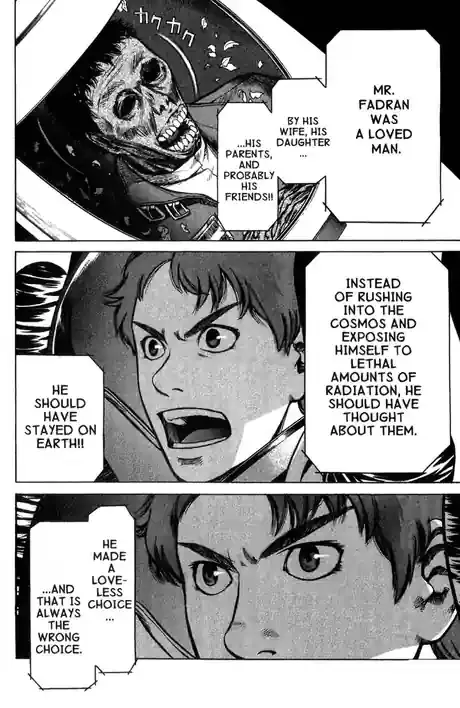
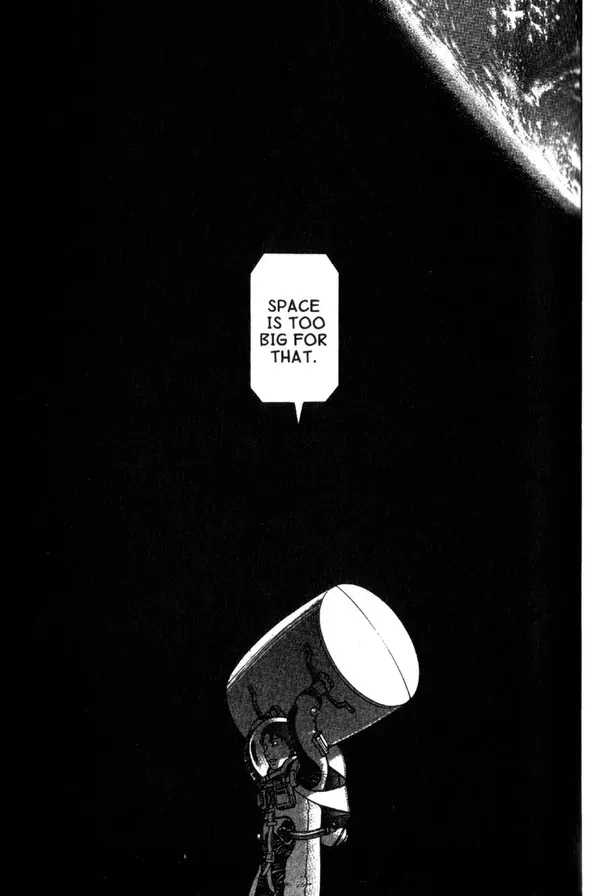
Her speech and her stunt get through. Honestly, on my first read I felt a lot like Hachimaki here, just annoyed by her. On my second read I finally got it, and it seemed so obvious.
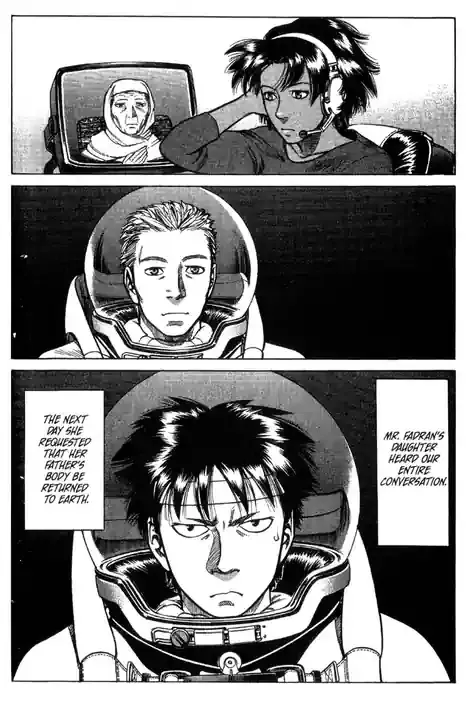
She gets under everyone’s skin, Hachimaki most of all.
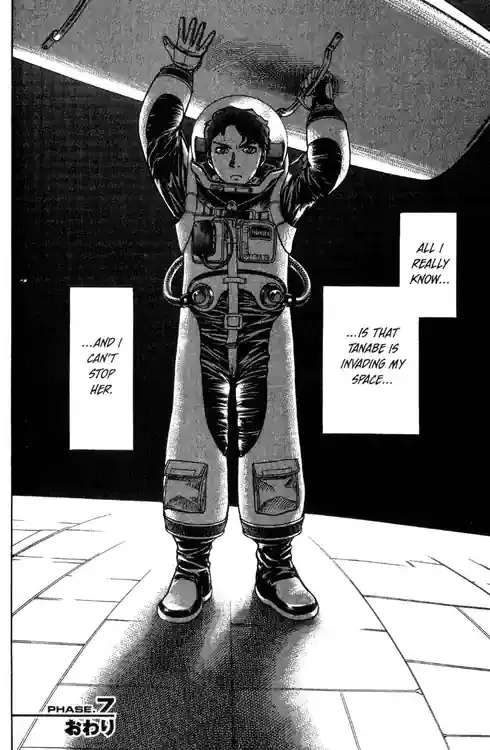
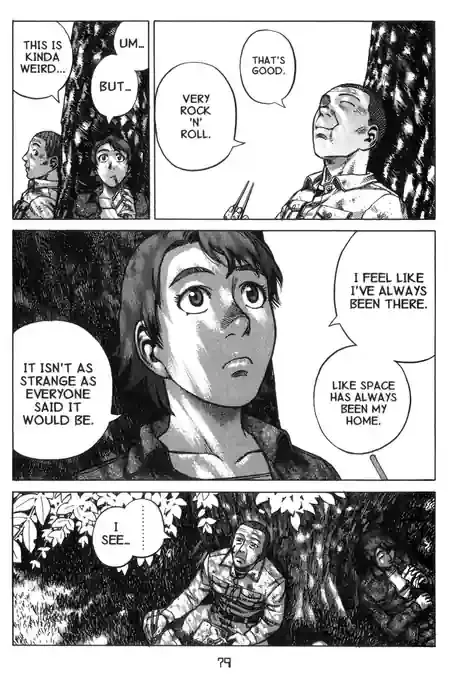
Even Tanabe doesn’t fully know why she went to work in space. Talking it over with her father, she lands on something closer to a feeling than a reason. Space isn’t somewhere she’s escaping to, it’s somewhere she already belongs. It’s the same realisation Hachimaki nearly has to drown to reach, and Tanabe was born with it.
And her capacity for love seems to have no limit.
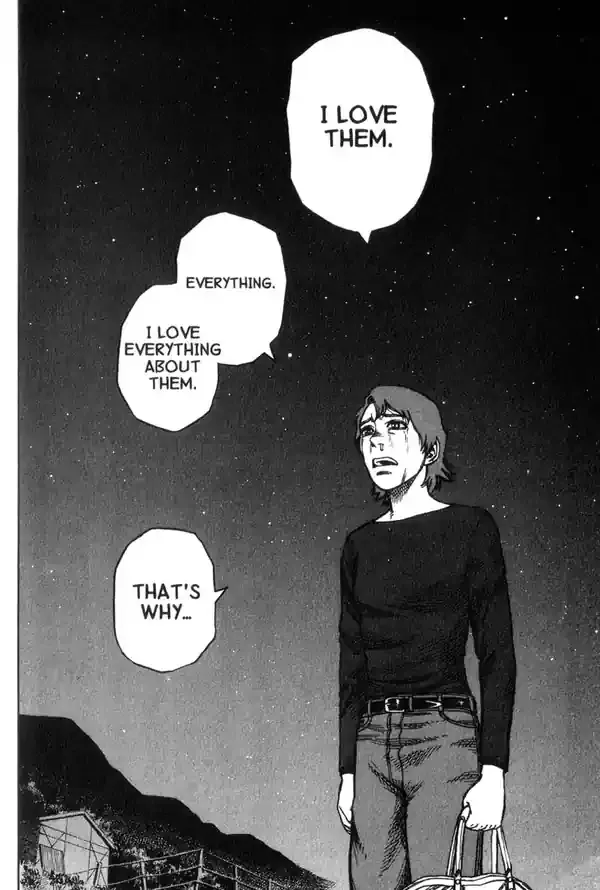
In the end, this is simply who she is, and she stays loyal to it from the first page to the last. In a story full of people chasing something, Tanabe is the one who already has it.
Fee and Albert Carmichael
Fee is the captain of the Toy Box. We never learn why she ended up collecting debris, but it suits her. She’s a tomboy, physically fearless and a brilliant pilot, the cool, funny, chain-smoking one who refuses to let the worst parts of adulthood take over.
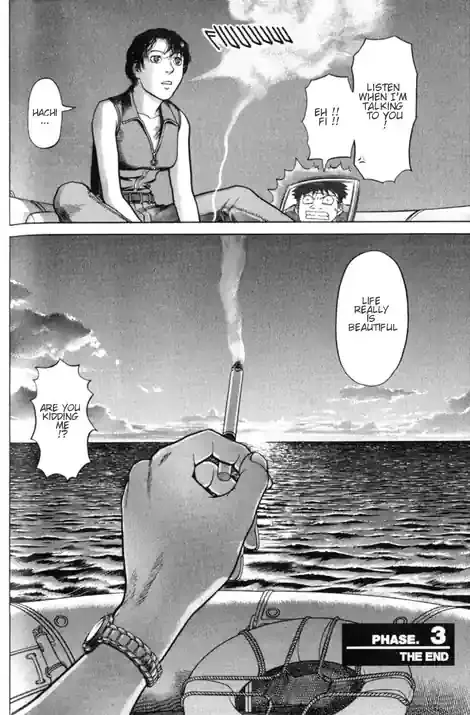
Her real story starts in the final volume. Fee is from Louisiana (US), and at home the roles are reversed. She’s the breadwinner, bringing the money in from orbit, while her husband is a stay-at-home dad raising their son, Albert, which feels refreshingly un-Japanese for a manga from 1999. Albert resents her for never being there and keeps bringing home stray dogs that bark all night until the neighbours complain, because essentially Albert is the real Fee. Fee tries to handle it like an adult, and he hates her for it. (On my first read I was firmly with the neighbours. I’d have called someone to take the dogs away too.)
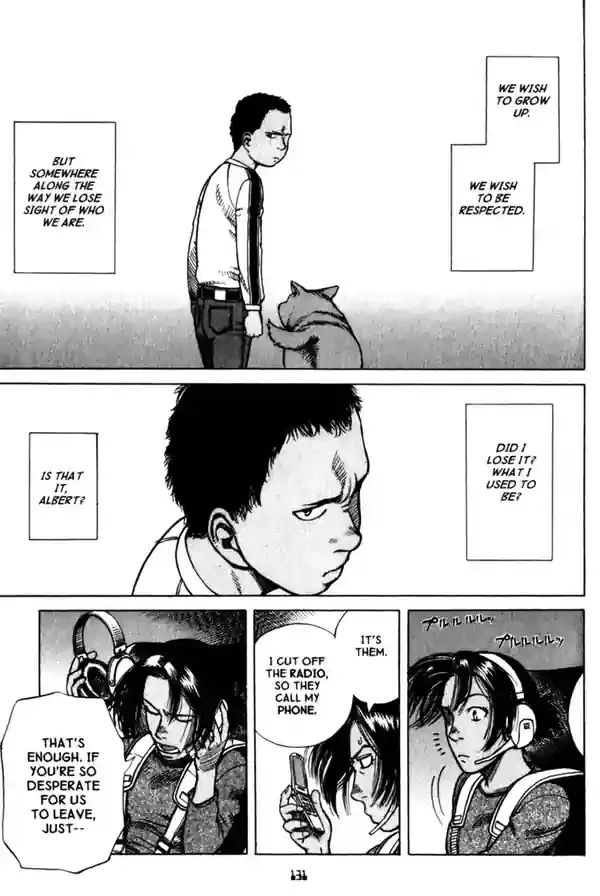
It makes her reflect. She cleans up junk, but does nothing about the real threat, the self-destruct mines countries are planting among the debris to protect their own interests, any of which could trigger Kessler syndrome and cut Earth off from space.
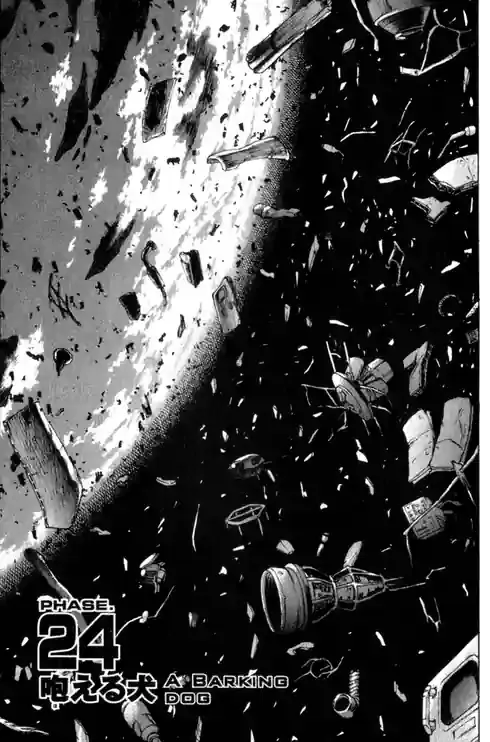
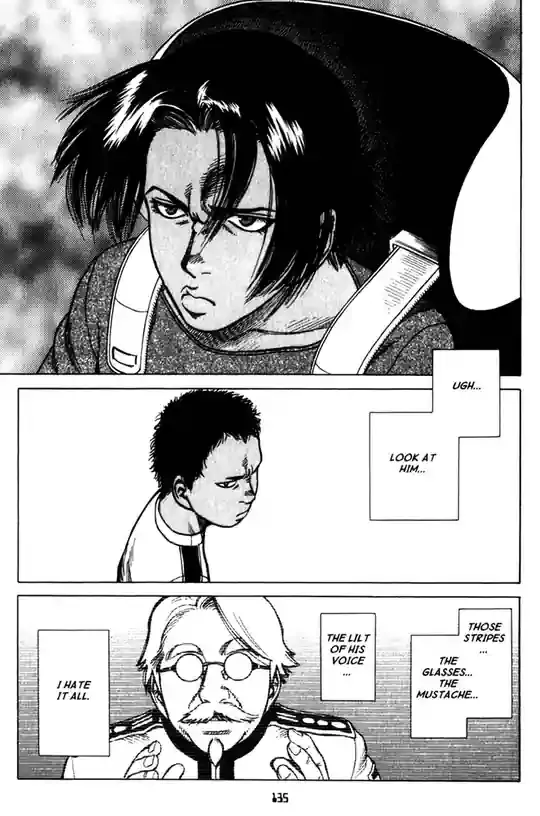
On top of that, the terrorists keep making her job harder. She’s collateral damage in a fight that isn’t hers. Even Colonel Sanders, the good guy in the military, ultimately wants to use her for his own agenda, and she’s sick of being a pawn.
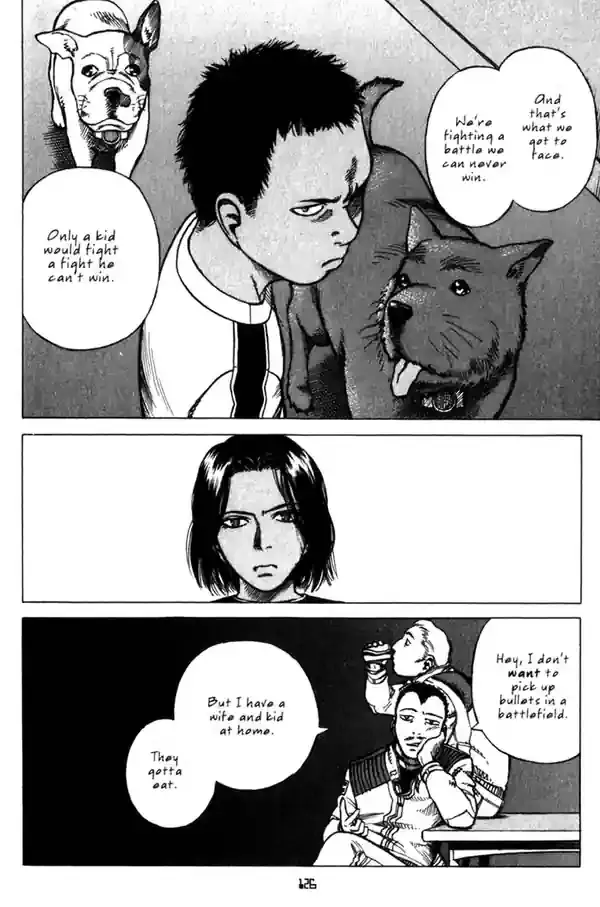
She can’t stop thinking about the look Albert gave her. Meanwhile the grown-ups around her all have their excuses. One colleague doesn’t want to go picking up bullets on a battlefield, because he has a wife and kid at home who have to eat. But everyone has to eat. Someone has to do this, the adults are doing nothing, and there’s always an excuse.
So, classic Fee, she reacts. She takes matters into her own hands and tries to keep her crew out of it, but Yuri, happily living his life, comes anyway, and so does Tanabe. Fee goes back to the teenage, back to rebellion. Which is cool. We all love that.
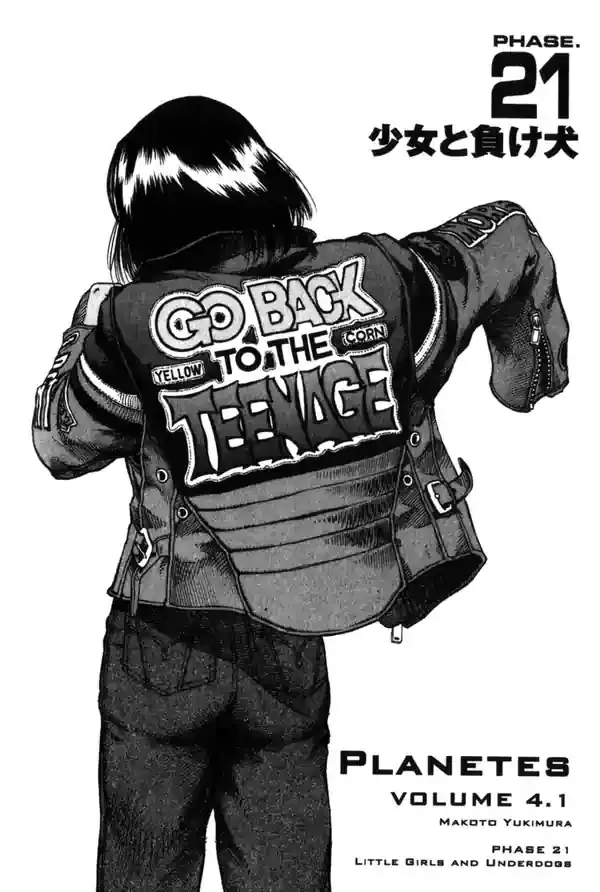
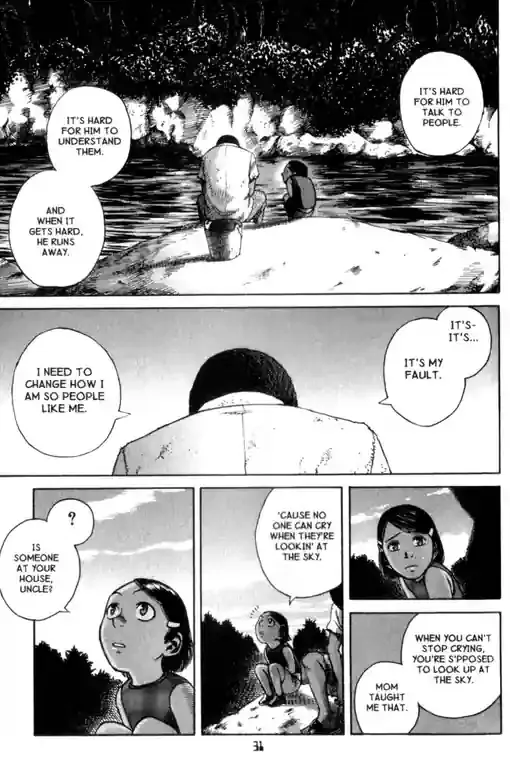
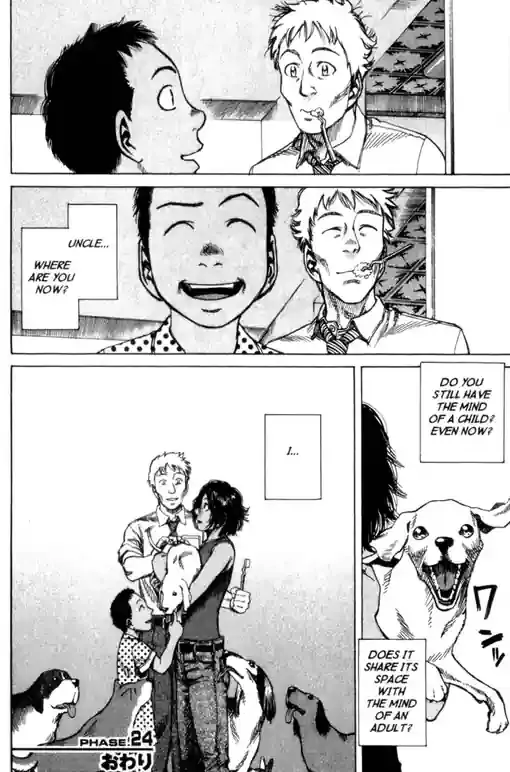
Beyond her son’s anger over the dogs sits the memory of her uncle. He was a huge influence on her, a sweet and deeply sensitive Afro-American man who faced constant discrimination and, with his mellow nature, struggled to fit in, so he escaped into the forest. Society came after him anyway. Nobody protected him, not even Fee’s mum, his own sister, and in the end he was abused. Fee has carried that frustration ever since.
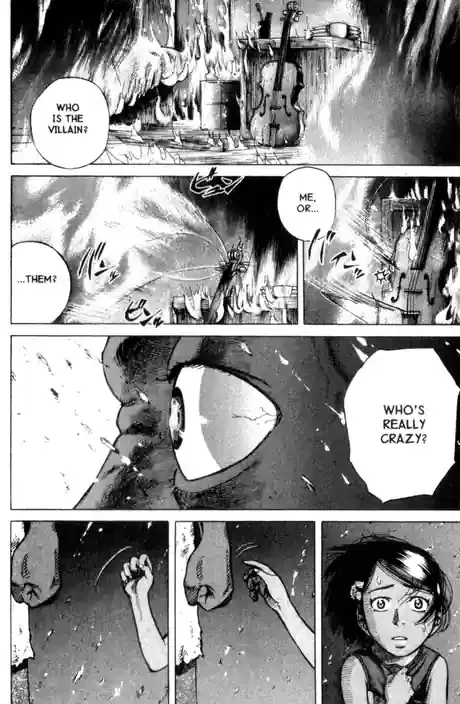
At some point the abuse turns extreme and her uncle disappears. Fee is the last person to see him, and it leaves a deep trauma.
Her uncle’s story runs side by side with her attempt to stop the mines going off amid rising global tension, single-handedly trying to prevent Kessler syndrome. (In real life that would take a systematic, grown-up approach. But Fee isn’t like that. She’s the cool, lonely hero, and in real life cool, lonely heroes never make it.)
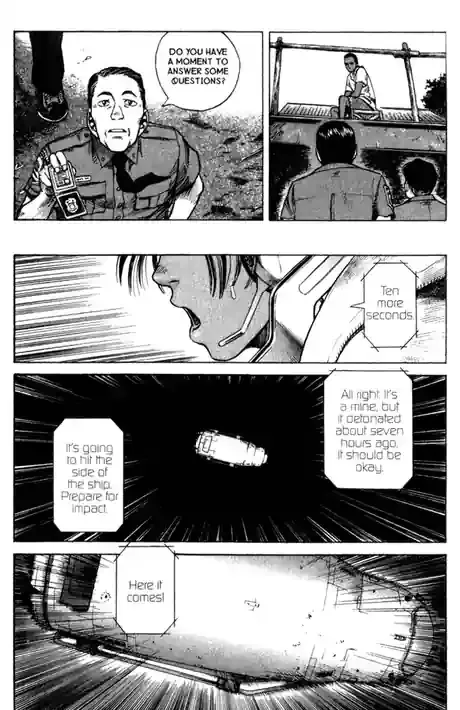
She fails to stop the mines exploding. Despite breaking the law, she’s still the hero who saved the orbital station back in Volume 1, so she isn’t prosecuted when she gets back to America.
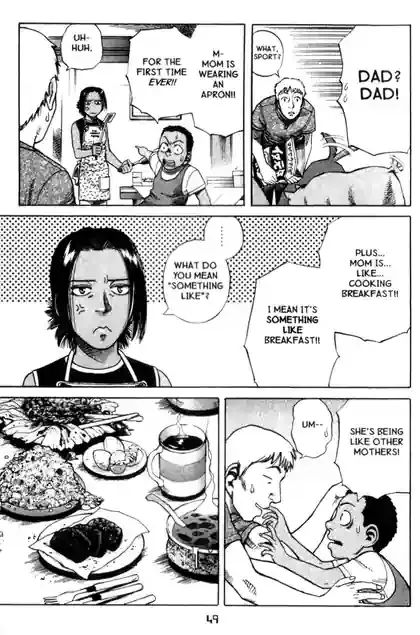
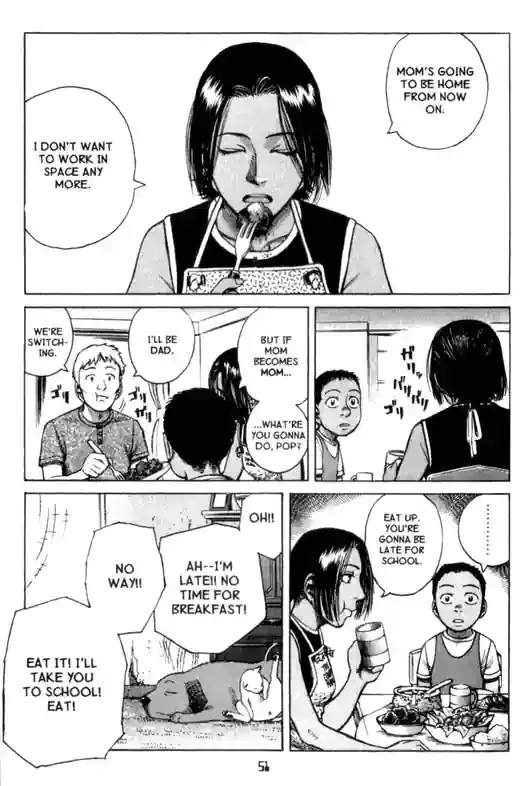
She goes home for a break, and that’s where her breakdown happens. She tries being a stay-at-home mum, cooking breakfast, wearing an apron, taking Albert to school. None of it is her.
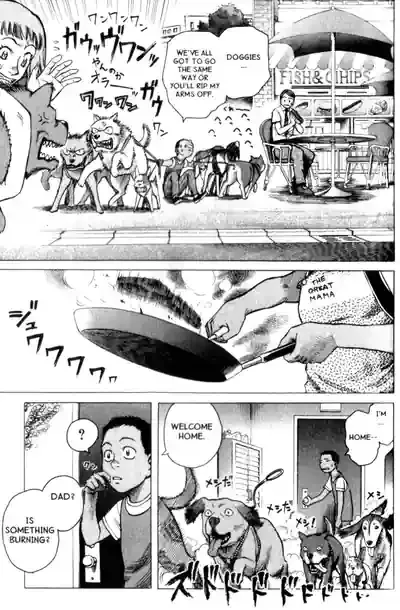
And of course, being Fee, it’s comical. Breakfast comes out burnt, because she’s hopeless at the chores she’s forcing herself into, and even Albert can’t believe it.
I forgot to bring panels for the most exciting part, her furious motorbike ride. But I did bring this one. The shooting stars the kids are wishing on aren’t shooting stars at all. They’re debris raining down after one of the mines exploded, almost triggering Kessler syndrome, the tragedy of the commons playing out in the night sky. It’s right around here that she nearly crashes, and swerves to save a stray dog.
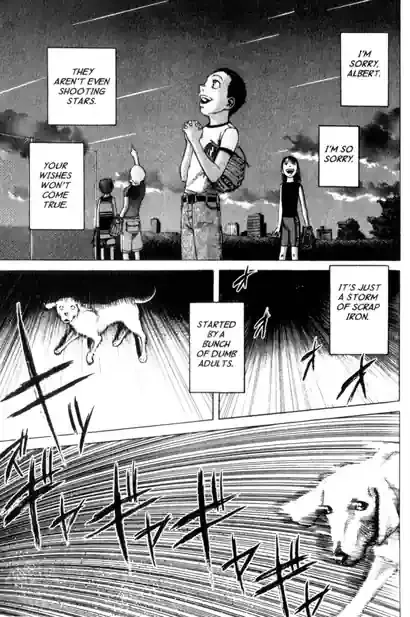
Thanks to that dog, she realises who she really is. What she really hates is the adults who make the mess, and the realisation that she’s turning into one of them. So she chooses to embrace her inner teenager again, this time with love, brings the dog home, and goes back to work.
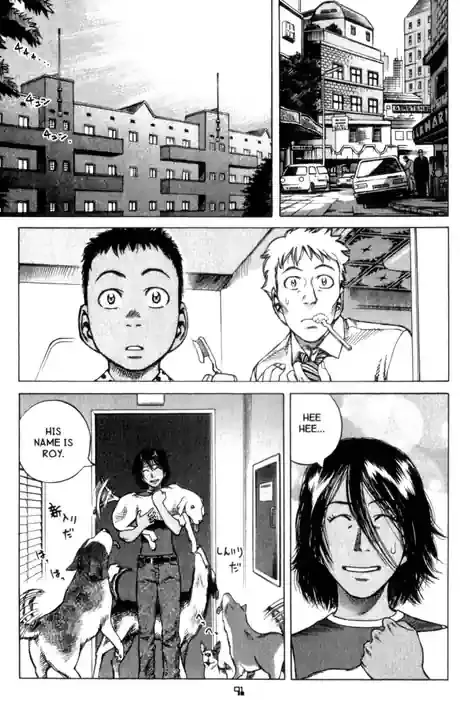
In the final scene, the whole family comes together, dogs and all. Fee has found her balance, knowing when to be a child and when to be an adult.
Goro Hoshino
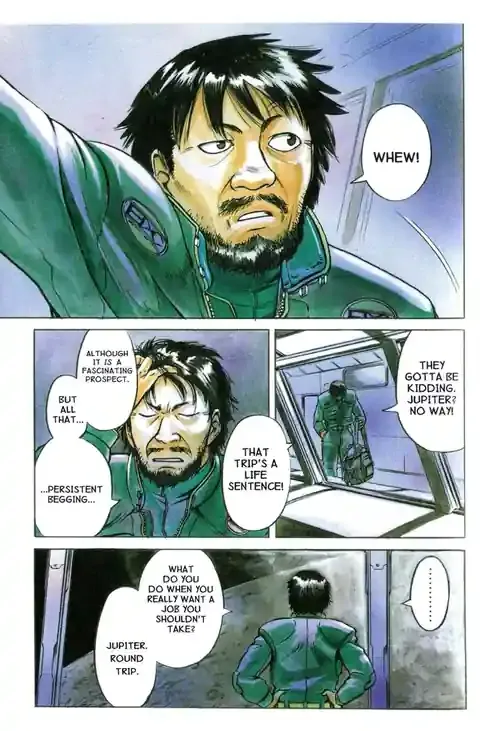
Goro Hoshino is Hachimaki’s dad, a veteran astronaut and a clearly selfish character who leaves his wife constantly waiting for him. But the beauty of Goro is that, despite being a terrible dad and husband, he’s always himself, and that’s exactly why people stay by his side.
Yuri Mihairokov
Yuri is the first character Makoto Yukimura explores. In the opening pages, debris tears through the passenger spacecraft he and his wife are on. She dies, he survives, and he spends the years that follow on the Toy Box crew, searching the orbital junk for her compass. He can’t let her go until he finds it. Then, in a sudden burst, he spots it drifting among the debris and goes after it, until he loses consciousness. The compass saves him, and so does Hachimaki. It’s almost a premonition, the living pulling him back.
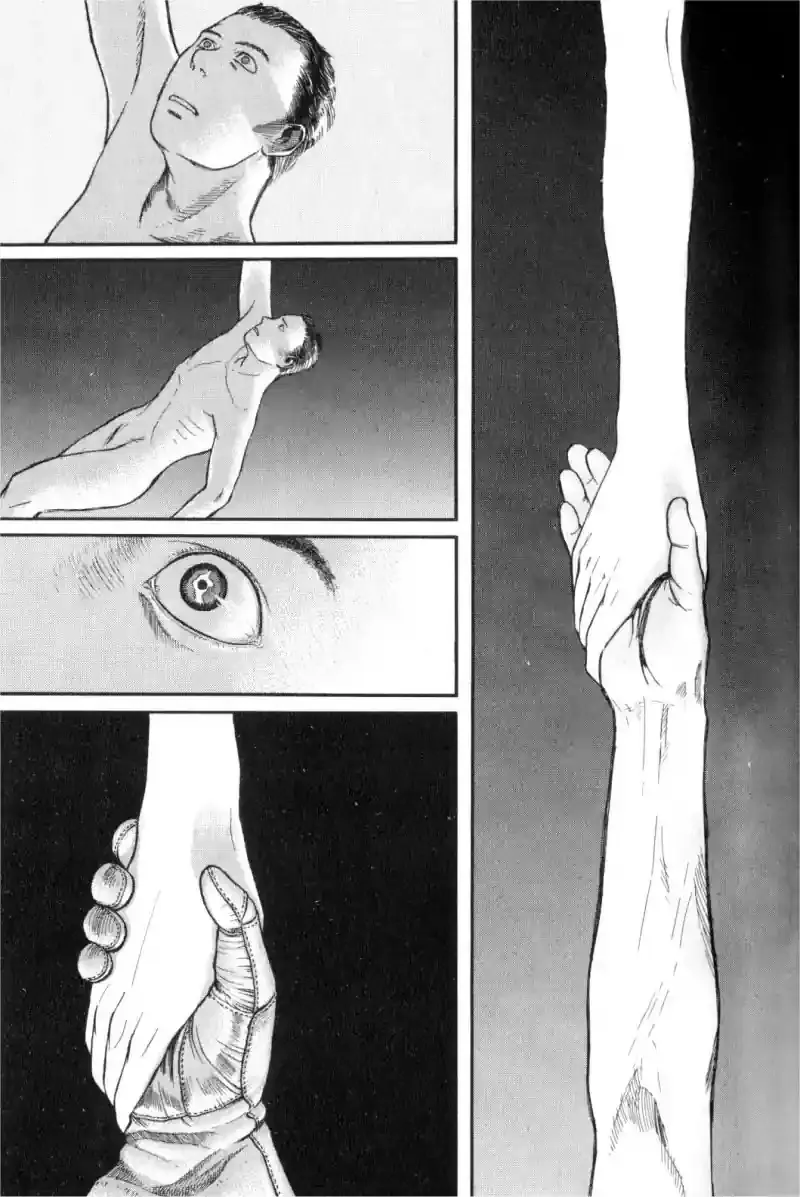
When he finally holds the compass, engraved on it is “Please save Yuri”. It was never just a keepsake. All along, his wife had been looking out for him, and in that moment he lets her go.
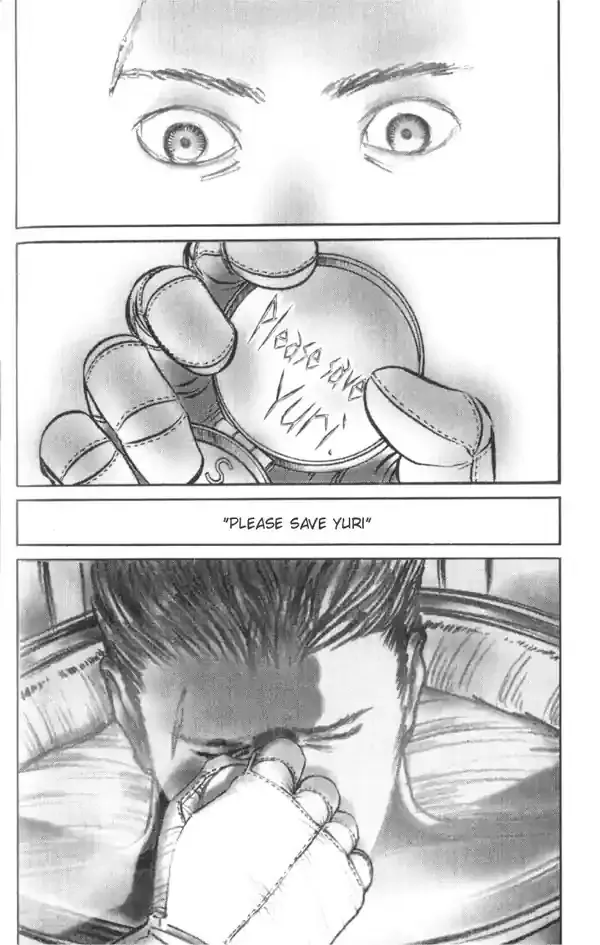
From then on Yuri settles into the role of a mature, deeply grounded supporting character, the first of the crew to find peace, and he quietly passes it on to the people around him.
Werner Locksmith
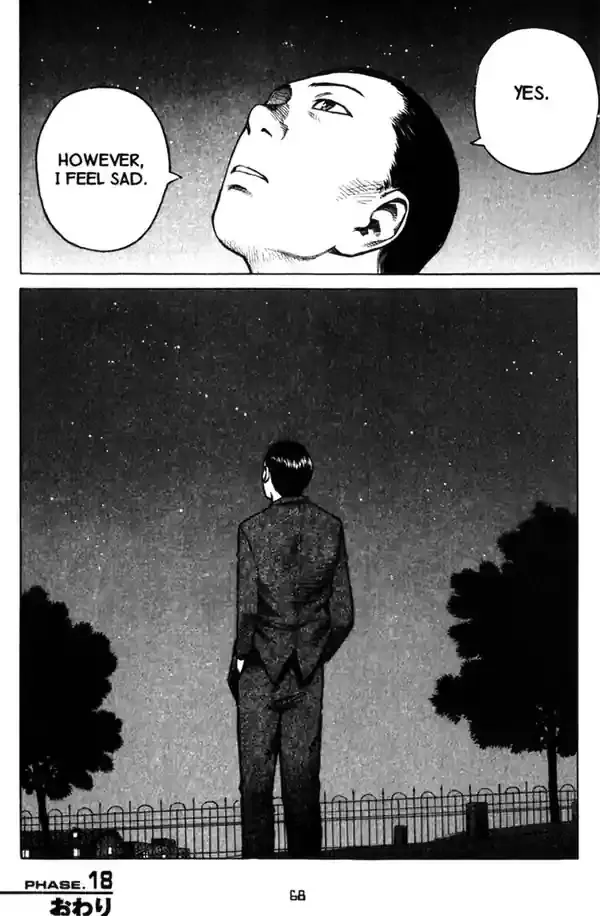
Werner Locksmith is the head of the Jupiter mission and the top person running space projects on Earth. The closest analogy today might be Elon Musk, minus the charisma. He represents the kind of person who runs big things. Completely in control of his emotions, he understands human nature and the bottom line, he wants the job done, and he knows nothing comes for free. He’s the opposite of Fee and Tanabe. People read his calm as coldness, but he does feel things. He just doesn’t let emotions get in the way. Human ambition at its most accepting.
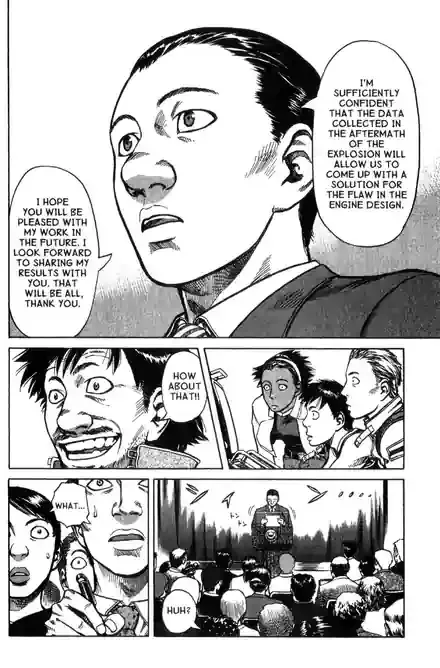
His whole attitude is summed up when he visits the grave of a researcher killed in an accident while Locksmith was pushing the project forward. He knows he’s partly responsible. But it raises a genuinely philosophical question about whose fault it really is, and Locksmith only says true things, the kind people can’t bear to hear. I really like him for that. He’s a bottom-line guy who sees straight through the noise of human emotion.
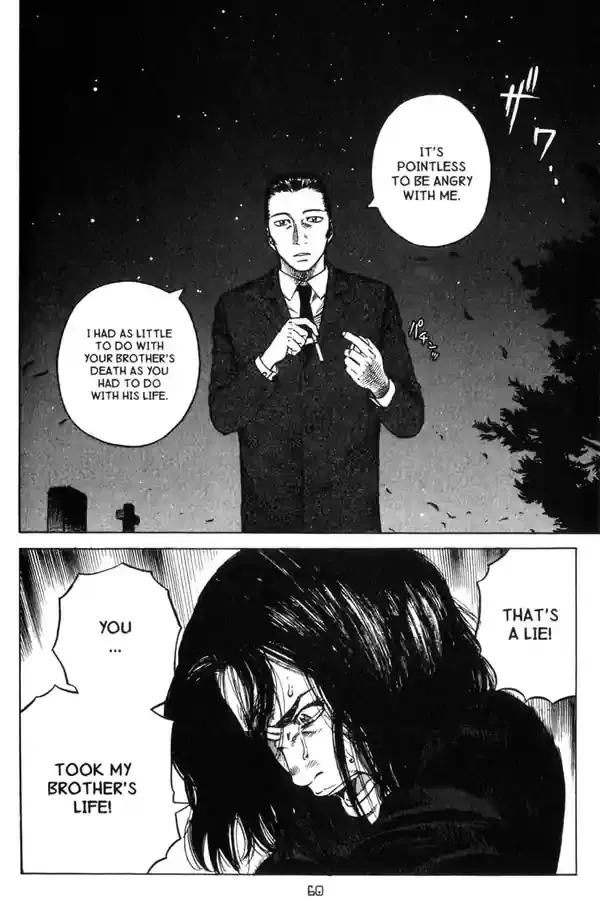
He sees through anger and despair too.
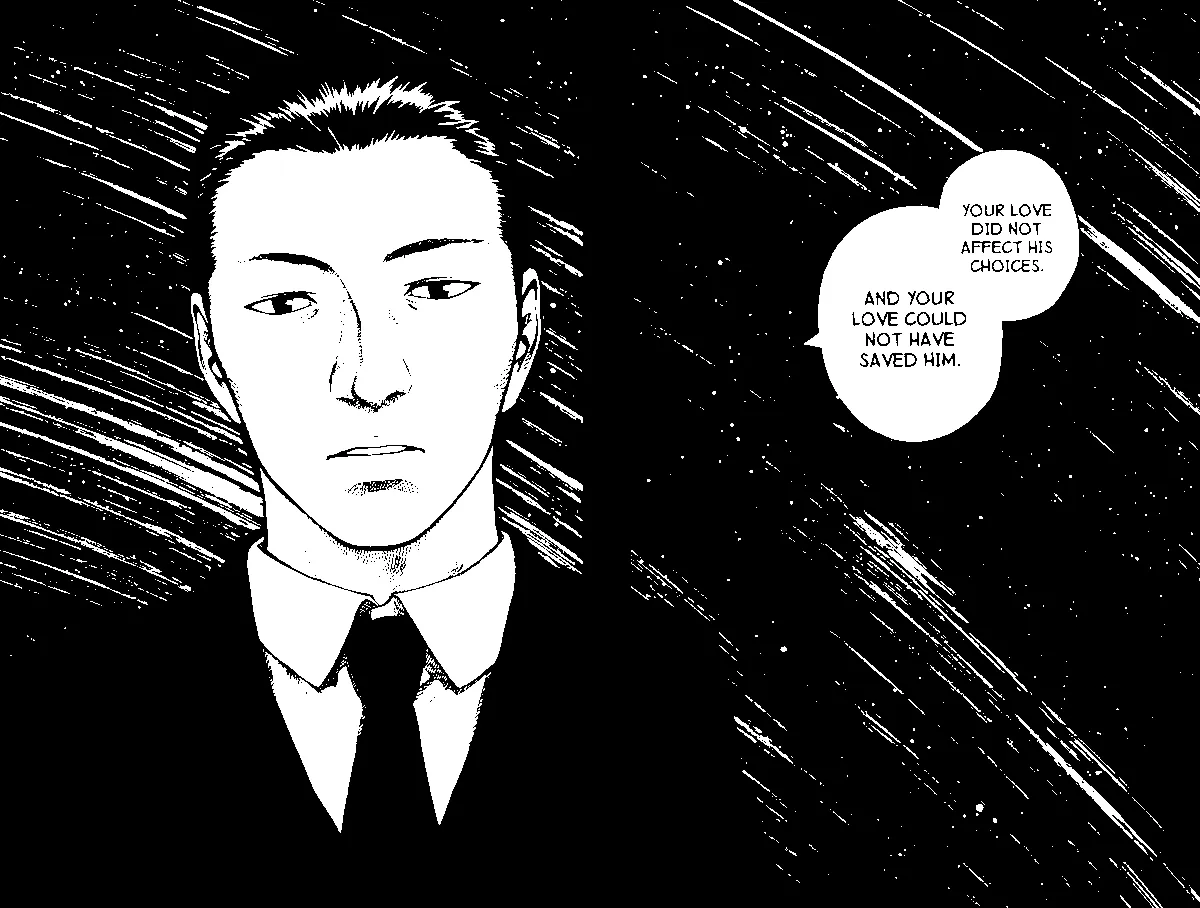
For all his icy image, he’s still a human being. Accepting moments like this is part of the price of his ambition, so he pays it.
Kyutaro Hoshino
Kyutaro is Hachimaki’s little brother, obsessed with rockets and with getting them out of orbit. Since he was a kid he’s done nothing else but build and improve them. A young Locksmith, basically. For me he’s one of the reasons Hachimaki turns so cold. Pure ambition, still too immature for love.
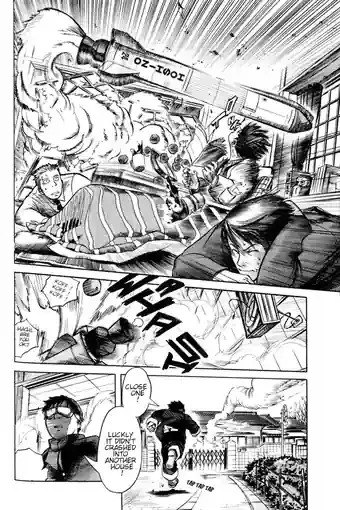
Tanabe sees rockets very differently.
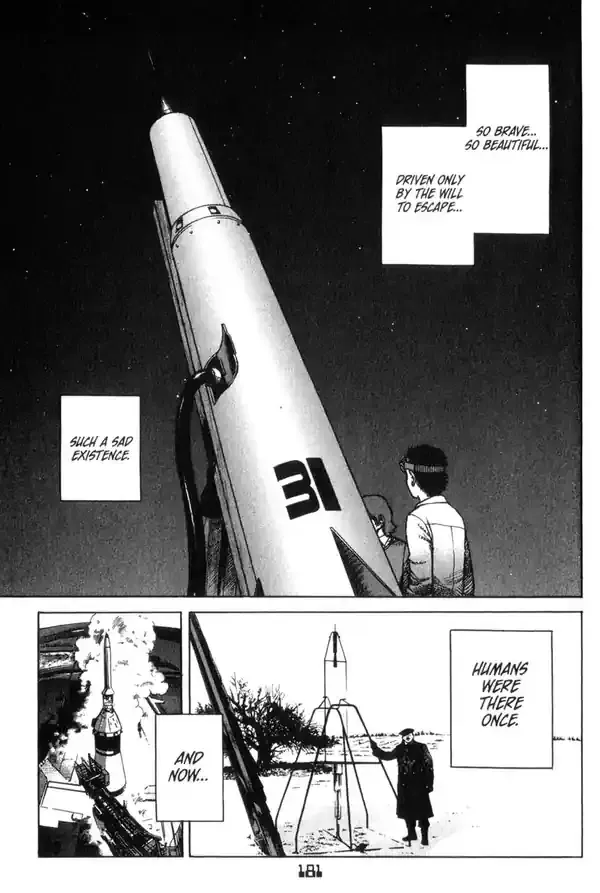
And that’s Kyutaro’s blind spot. All he feels is the drive to launch, and love simply doesn’t compute.
Nono
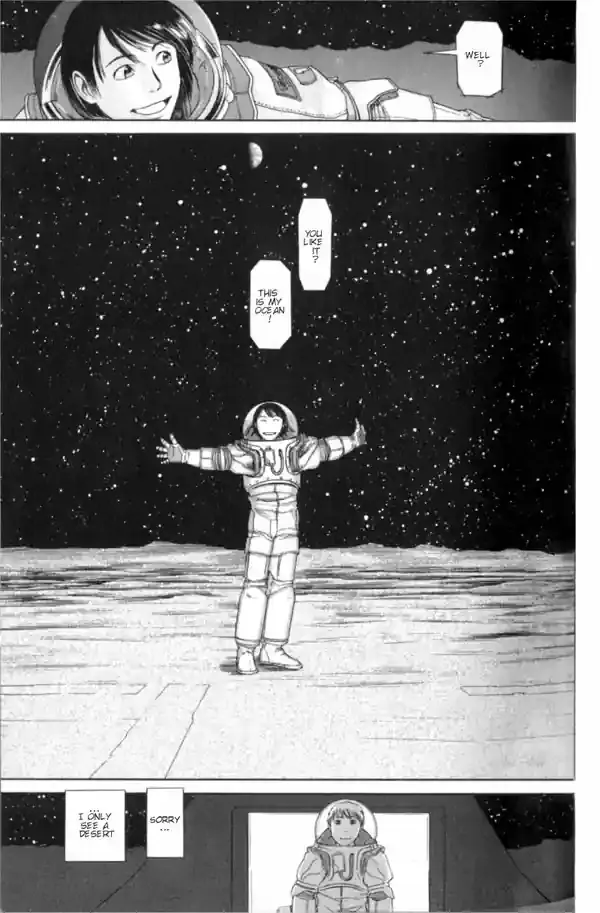
Nono is a 12-year-old born on the Moon, so tall she looks like an adult, because growing up in low gravity let her body keep stretching. It’s a cool bit of sci-fi. She only appears in the Moon base episode, and for her, space is simply home.
Planetes ending explained
Hachimaki is ultimately chosen to write the message for the Von Braun’s arrival at Jupiter, which makes it the paramount moment of the manga. In it he sums up not just his own arc but everyone’s. Whatever our ambition, whatever we see and learn out there, it’s all about us and the connections between people. From that far away Earth looks beautiful, and that beauty is ours.
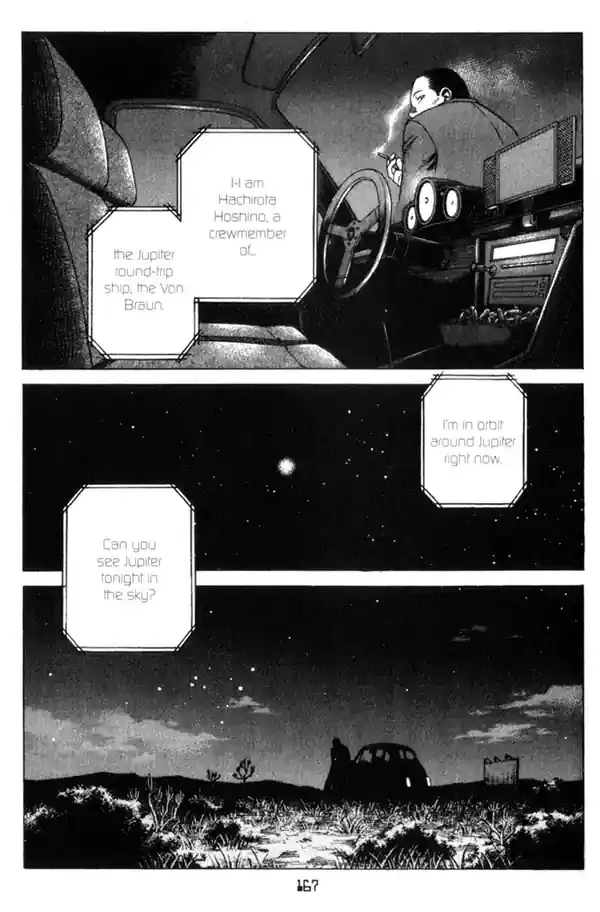
He passes on everything the story has taught us through Tanabe, through Fee and through himself, about humanity and the inevitability of things. Despite all our flaws, despite our inability to agree, we should keep looking for love and connection and never get lost in despair.
Where to read Planetes
Planetes is available in print and digitally, in English and several other languages.
| Edition | Format | Available at |
|---|---|---|
| Deluxe Edition (Dark Horse, 2025), 2 books | Oversized hardcover, 44 colour pages. The definitive English version. | Amazon, Bookshop.org |
| Omnibus (Dark Horse, 2015–2016), 2 volumes | Paperback | Amazon |
| Omnibus, digital (Dark Horse) | Kindle | Amazon Kindle |
| Original volumes (Tokyopop, 2003–2005) | Paperback, second-hand | eBay, AbeBooks |
| Language | Publisher | Available at |
|---|---|---|
| Japanese | Kodansha | Amazon Japan |
| Spanish | Panini (Integral, 2020) | Amazon España, Naos Libros |
| French | Panini (Intégrale) | Amazon France |
| Italian | Panini | Amazon Italia |
| German | Panini | Amazon Deutschland |
| Brazilian Portuguese | Panini | Amazon Brasil |
Manga like Planetes
Planetes is a cult classic among Yukimura fans. From what I’ve read, these two come closest.
- Vinland Saga (manga, 2005–2025). Yukimura’s masterpiece, just as deeply researched but set among the Vikings, and a much longer saga that’s well worth the commitment. In English from Kodansha USA, including deluxe hardcovers.
- Cowboy Bebop (anime, 1998). Not a manga but an anime, and the closest thing to Planetes on screen. Contemplative life in space, a future that kept all of humanity’s flaws, and characters wrestling with loneliness, from Sunrise, the studio that later adapted Planetes.